
 Back to News
March 03, 2026
Can Warehouse Workers Get Comp for Robotic Equipment Injuries in 2026?

 Trusted Content
Filed in:
Table of Contents
When Robots and Workers Collide: Your Right to Compensation
You’re working your shift at a bustling warehouse when a robotic arm malfunctions, striking you and causing serious injury. In 2026, as automation transforms warehouse operations across Philadelphia, this scenario is increasingly common. The good news? Pennsylvania law mandates workers’ compensation coverage for most employers, protecting your rights when injured by robotic equipment on the job.
If you’ve been injured by robotic equipment at work, understanding your rights under Pennsylvania’s workers’ compensation system is crucial for securing deserved benefits. A workers compensation lawyer in Philadelphia can help navigate these complex claims involving cutting-edge technology.
Legally Reviewed By:
 Trusted Content


💡 Pro Tip: Document everything immediately after a robotic equipment injury – take photos of the equipment, get witness statements, and report the incident to your supervisor within 21 days to protect your claim; the notice may be given verbally or in writing, though written notice is strongly recommended to create a clear record.
Don’t let a robotic equipment injury leave you in a lurch. Reach out to Pond Lehocky for dedicated legal support that puts your needs first in the claims process. Call us at 1-800-568-7500 or contact us today to ensure you receive the compensation you’re entitled to.
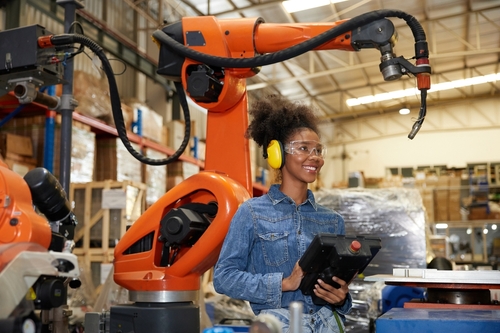
Pennsylvania Workers’ Compensation Rights in the Age of Automation
Workers’ compensation provides benefits to employees injured due to job duties, and this protection extends fully to robotic equipment injuries. Under Pennsylvania law, if you’re injured by a robot, automated system, or warehouse machinery during work duties, you’re entitled to medical care and wage replacement benefits.
Robotic equipment injuries are unique due to the complexity of determining liability and proving the injury occurred within employment scope. Unlike traditional accidents, robot-related incidents involve sophisticated programming, sensors, and safety systems that may have failed. A workers compensation lawyer in Philadelphia understands these technical nuances and can ensure your claim properly documents how the automated system contributed to your injury.
Your rights include coverage for all necessary medical treatment, temporary disability benefits if you can’t work, and permanent disability compensation for lasting impairment. Pennsylvania’s system also provides death benefits for families if a robotic accident proves fatal. These benefits apply regardless of fault – you need only prove the injury occurred while performing job duties.
💡 Pro Tip: Keep a detailed journal of how your injury affects your daily activities and work capabilities – this documentation can significantly strengthen your claim for appropriate benefits.
From Injury to Recovery: Your Workers’ Comp Timeline
Understanding the workers’ compensation process timeline reduces anxiety and ensures you meet critical deadlines. Here’s what to expect:
- Immediate reporting: Notify your supervisor and seek medical attention – Pennsylvania requires notice within 21 days to receive retroactive benefits from the date of injury; the notice may be given verbally or in writing, though written notice is strongly recommended. Reporting within 120 days may preserve rights
- Medical documentation: Your treating physician must complete forms detailing how robotic equipment caused your injuries
- Employer response: Your employer has 21 days to accept or deny your claim after receiving notice
- Investigation period: For robotic equipment injuries, insurers often conduct investigations involving safety engineers, adding 30-60 days
- Benefit determination: If accepted, wage loss benefits begin after seven days of disability; if denied, file a petition with a workers compensation lawyer in Philadelphia
- Ongoing treatment: Continue following your doctor’s treatment plan while receiving benefits
💡 Pro Tip: Request copies of all workplace incident reports and safety logs related to the robotic equipment – insurers receive these documents, and you should have them too for your records.
How a Workers Compensation Lawyer in Philadelphia Protects Your Future
Securing fair compensation for robotic equipment injuries requires understanding both workers’ compensation law and automated systems technical aspects. The team at Pond Lehocky brings extensive experience handling complex workplace injury claims, including those involving cutting-edge warehouse technology. They recognize that robotic injuries often result in unique challenges – from proving equipment malfunction to demonstrating the full extent of injuries caused by high-force impacts.
Claim resolution may involve negotiations with insurance companies who minimize the role of robotic equipment in causing injuries. Insurance adjusters might argue you failed to follow safety protocols or that the injury was pre-existing. A workers compensation lawyer in Philadelphia can coordinate with occupational safety experts, review OSHA compliance records, and build a compelling case that secures maximum benefits.
The path to resolution includes securing immediate medical benefits, obtaining wage replacement during recovery, and potentially negotiating a settlement for permanent injuries. Pond Lehocky’s approach focuses on comprehensive representation – from initial filing through appeals. Their understanding of both Pennsylvania workers’ compensation laws and workplace automation positions them to handle complex robotic equipment injury claims.
💡 Pro Tip: Don’t accept a quick settlement offer without legal review – robotic equipment injuries may have long-term effects that aren’t immediately apparent, and you deserve compensation that reflects the full impact on your life.
Understanding OSHA Standards for Robotic Equipment Safety
While no specific OSHA standards exist for the robotics industry, employers must follow General Industry requirements to protect workers from robotic hazards. These federal standards apply to all Philadelphia workplaces using automated systems. When you consult a lawyer, they’ll investigate whether your employer followed applicable OSHA robotics standards.
The primary regulation is 29 CFR 1910.147, covering hazardous energy control through lockout/tagout procedures. This requires employers to ensure robotic equipment is properly shut down during maintenance or when workers enter danger zones. Additional requirements include machine guarding, personal protective equipment, and proper training. Violations provide important context for understanding how your injury occurred.
Critical Safety Systems Often Involved in Robotic Injuries
Modern warehouse robots incorporate safety features including emergency stops, light curtains, pressure-sensitive mats, and programmable safety zones. When these systems fail or aren’t properly maintained, serious injuries result. A workers compensation lawyer in Philadelphia will examine whether safety system failures contributed to your injury. Common failures include disabled safety sensors to increase productivity, inadequate maintenance schedules, and improper programming of robot work envelopes.
💡 Pro Tip: Request maintenance logs for the specific robotic equipment that injured you – gaps in safety system testing or repairs can demonstrate your employer’s failure to maintain a safe workplace.
Types of Robotic Equipment Injuries and Their Long-Term Impact
Robotic equipment in warehouses can cause various injury types, each requiring different medical treatments and affecting workers’ compensation benefits differently. Understanding your specific injury type helps set realistic recovery expectations. The force and precision of robotic systems often result in more severe injuries than traditional workplace accidents.
Common injuries include crushing injuries from robotic arms, lacerations from sharp edges or tools, repetitive stress injuries from working at robot-paced speeds, and psychological trauma from near-miss incidents. Each injury type has unique treatment requirements and recovery timelines. Pennsylvania Workers’ Compensation covers all necessary medical treatment, but documenting robotic injuries requires detailed medical evaluations connecting your symptoms to the automated equipment incident.
Emerging Injury Patterns in Automated Warehouses
As warehouses adopt more robotics, medical professionals are identifying new injury patterns specific to human-robot interaction, including automation stress disorders from monitoring high-speed equipment and unique musculoskeletal injuries from awkward positions required to work alongside robots. Workers experiencing these injuries benefit from working with a workers compensation lawyer in Philadelphia who stays current on emerging workplace hazards.
💡 Pro Tip: Seek treatment from physicians familiar with robotic workplace injuries – their specialized knowledge can provide more accurate diagnoses and stronger medical evidence for your claim.
Frequently Asked Questions
Common Concerns About Robotic Equipment Injury Claims
Many warehouse workers have questions about their rights when injured by automated systems. The intersection of traditional workers’ compensation law with modern technology creates unique questions that deserve clear answers.
💡 Pro Tip: Write down all your questions before meeting with an attorney – addressing your specific concerns ensures you understand every aspect of your claim.
Next Steps After a Robotic Equipment Injury
Taking the right steps after your injury protects your health and legal rights. Following proper procedures ensures you receive benefits quickly while building a strong foundation for your claim.
💡 Pro Tip: Create a dedicated file for all documents related to your injury – organization makes the claims process smoother and helps your attorney build a stronger case.
1. Do I need to prove the robot malfunctioned to get workers’ compensation benefits?
No, Pennsylvania’s workers’ compensation system is “no-fault,” meaning you don’t need to prove defects or malfunctions. You only need to show the injury occurred while performing work duties. However, evidence of malfunction can strengthen your claim and may open additional legal options.
2. Can I receive benefits if I was trained on the robotic equipment but still got injured?
Yes, completing safety training doesn’t disqualify you from benefits. Even well-trained workers can be injured by equipment failures, programming errors, or unexpected robot behaviors. Your workers compensation lawyer Philadelphia will focus on proving the injury occurred at work, regardless of training status.
3. What if my employer says I violated safety protocols around the robot?
Alleged safety violations rarely prevent workers’ compensation benefits in Pennsylvania. Unless your actions were intentionally self-harmful or involved illegal activities, you remain eligible for benefits. An experienced attorney can challenge these employer defenses effectively.
4. How long do I have to file a claim for a robotic equipment injury?
Pennsylvania law requires notifying your employer within 21 days for full benefits, though notice within 120 days may preserve rights. For filing a formal claim petition, you have three years from the injury date. However, acting quickly ensures better evidence preservation and faster benefit receipt.
5. Should I accept my employer’s doctor’s opinion about my robotic equipment injury?
While you must attend employer-designated medical exams, you’re entitled to treatment from your own physician after 90 days. For complex robotic injuries, seeking doctors familiar with automation-related trauma provides more accurate diagnoses. Your warehouse injury lawyer Philadelphia can help coordinate appropriate medical care.
Work with a Trusted Workers Compensation Lawyer
When robotic equipment injuries disrupt your life, having knowledgeable legal representation makes the difference between struggling alone and receiving fair compensation. Your case requires attorneys who understand both traditional workers’ compensation law and the unique challenges posed by robotic injuries. Pond Lehocky combines decades of experience with a commitment to staying current on workplace safety developments.
Don’t let insurance companies minimize your robotic equipment injury or pressure you into inadequate settlements. Contact Pond Lehocky today to discuss your robotic equipment injury and learn how they can protect your rights throughout the claims process.
If a tangle with robotic equipment has left you facing the unexpected, don’t go it alone. Connect with Pond Lehocky to receive the guidance you need to secure your rightful compensation. Dial 1-800-568-7500 or contact us today and let us lend a hand in managing your claim.