
 Back to News
February 25, 2026
Workers’ Compensation for Electricians: What Injured Electricians Need to Know

 Trusted Content
Filed in:
Table of Contents
 Quick Answer
Injured electricians should know that workers’ compensation can cover medical care, partial wage replacement, disability benefits, rehabilitation, and death benefits, and you may qualify regardless of who caused the accident. To protect your claim, report the injury immediately, seek prompt medical treatment, document everything, and consider legal help if the insurer delays, denies, or undervalues your benefits.
This guide explains what electricians need to know about workers’ compensation: what’s covered, how the benefits work, how injuries should be reported, and why having experienced legal help can make a significant difference in the outcome of your claim.
Why Workers’ Compensation Insurance Matters for Electricians
Electricians face some of the most hazardous conditions in the skilled trades. Falls, electrical shock, burns, repetitive strain injuries, and injuries from heavy equipment are frequent occurrences. Even seemingly minor incidents can lead to significant medical bills, lost wages, and long-term health issues if not properly addressed.
Workers’ compensation is a form of insurance required by state law for most employers. Workers’ comp covers:
- Medical care necessary to treat a work injury
- Wage replacement benefits if you miss time from work
- Permanent disability compensation if you suffer a lasting impairment
- Vocational rehabilitation assistance, when needed
Unlike personal injury claims, workers’ compensation does not depend on proving fault. Whether the work-related injury resulted from a coworker’s mistake, a hazardous condition, or your own slip, you may still be entitled to benefits. However, insurers frequently deny or undervalue claims, making legal guidance invaluable.
Common Electrician Injuries
The physical demands and hazards of electrical work mean injuries can be both serious and debilitating. Among the common injuries for electricians are:
- Electrical burns and shock: These can range from deep tissue damage to cardiac or neurological complications.
- Falls from heights: Electricians working on ladders, scaffolding, or rooftops are at risk of serious falls.
- Strains and sprains: Repetitive movements, heavy lifting, and awkward positions can lead to back, shoulder, and joint injuries.
- Cuts and lacerations: Tools, sharp edges, and live equipment can cause wounds that require ongoing care.
- Traumatic injuries: Being struck by falling objects or involved in equipment failures can lead to fractures or head trauma.
While workers’ compensation covers these injuries, proving that they are work-related—especially when symptoms develop over time—can be complex. Muscle and joint injuries that worsen gradually or electrical shocks that trigger later medical issues may face increased scrutiny from insurers.
What Workers’ Compensation Covers for Electricians
Workers’ comp benefits fall into several categories:
Medical Benefits
Workers’ comp pays for all reasonable and necessary medical treatment related to your work-related injury. This includes doctor visits, hospital care, medications, diagnostic testing, surgery, physical therapy, and specialist care.
Temporary Disability Benefits
If your injury prevents you from working while you recover, you may be eligible for temporary disability benefits. These typically cover a portion of your lost wages while you are medically unable to work.
Permanent Disability Benefits
If your injury results in lasting impairment such as nerve damage, chronic pain, or reduced range of motion, you may qualify for permanent disability compensation. The amount depends on the severity of your impairment and how it affects your ability to work.
Vocational Rehabilitation
In cases where you cannot return to your former job, workers’ compensation may cover retraining or job placement services to help you transition to a new line of work.
Death Benefits
If a fatal accident occurs, workers’ compensation provides death benefits to eligible dependents to cover funeral expenses and lost financial support.
Reporting a Job-Related Injury: What Every Electrician Should Do
To protect your rights under workers’ comp, you must take timely action:
- Report the Injury Immediately: Notify your supervisor or employer as soon as the injury occurs, even if you think it’s minor. In many states, you have a limited window (often 30 days or fewer) to report a work-related injury.
- Seek Prompt Medical Care: Getting medical attention right away serves two purposes. It ensures you receive proper treatment, and it creates a clear, timely medical record linking your injury to your work.
- Document Everything: Keep records of all medical visits, diagnoses, prescribed treatments, and expenses. If possible, take photos of the scene, equipment involved, and any visible injuries.
A delay in reporting or a lack of documentation can give insurers an opening to deny or reduce benefits, even when severe injuries are clearly work-related.
What to Expect After Filing a Workers’ Comp Claim
Once your claim is filed, the insurance company will review your report and medical records to determine eligibility. In many cases, benefits begin without issue. However, complex injuries sometimes trigger additional steps:
- Independent Medical Examinations (IMEs): Insurers may require you to see a doctor of their choosing for evaluation. IMEs are common, but the opinions offered can influence benefit decisions.
- Dispute and Appeals: If the insurer denies your claim, reduces your benefits, or disputes your medical treatment, you have the right to appeal. This process often involves hearings before a workers’ compensation judge or board.
Throughout this process, having an attorney who understands workers’ compensation law and the unique risks faced by electricians can help ensure your rights are protected.
Why Electricians Should Consider Legal Assistance
You can file a workers’ comp claim without a lawyer, but doing so can put you at a disadvantage when insurers deny benefits, undervalue your impairment, or challenge the severity of your workplace injury. Lawyers who focus on workers’ comp understand how to counter common tactics used by compensation insurance carriers, including:
- Arguing that your injury did not arise out of employment
- Claiming that symptoms are unrelated or pre-existing
- Offering settlements that do not reflect future medical needs
- Misinterpreting impairment ratings to justify low payouts
An experienced attorney helps you gather evidence, prepare for hearings if needed, and negotiate settlements that account for both current and future needs.
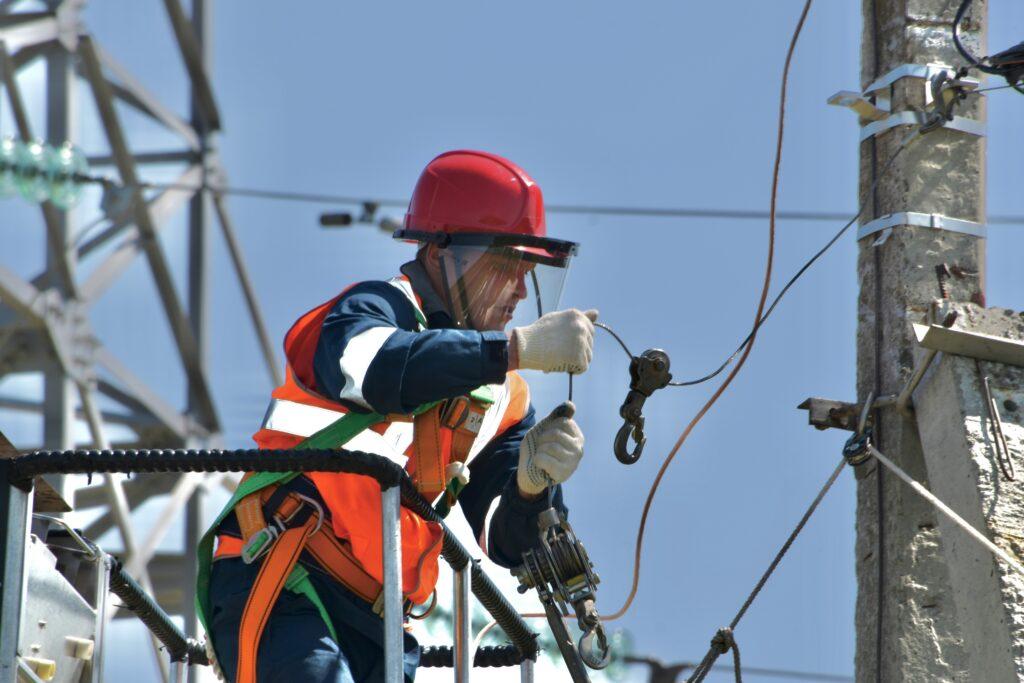
Settlements and Structured Awards for Injuries Suffered While Performing Electrical Work
Some workers’ comp claims are resolved through settlements. This means you and the insurer agree on a single payment (or structured payments) that resolves part or all of your claim. Settlements are common when:
- Your medical condition has stabilized.
- You and your doctor agree on a permanent impairment rating.
- Future treatment costs and wage loss can be reasonably estimated.
Settlements can provide certainty and closure, but accepting one without a clear understanding of your long-term needs can leave you responsible for future costs. Legal guidance is particularly important when negotiating settlements.
Return-to-Work and Modified Duty for Full-Time Electricians and Electrical Contractors
In many cases, injured electricians can return to work in a modified or transitional duty role while they complete medical treatment. Employers may offer light-duty positions to help injured workers ease back into work without jeopardizing their healing.
Workers’ comp laws in most states protect your right to return to work and require employers to accommodate reasonable restrictions when possible. If you face resistance or discrimination when attempting to return to work, you may have additional legal avenues to protect your employment.
Contact a Lawyer for a Free Consultation on the Electrician Insurance Claims Process
Electricians face unique hazards every day, and employees injured at work can suffer long-lasting effects on their health, income, and quality of life. Workers’ compensation benefits are designed to support you through recovery, but obtaining the full benefits you deserve often requires careful documentation, timely reporting, and, in many cases, legal strategy.
If you or a fellow electrician has been injured on the job, it’s important to act quickly, understand your rights, and consider assistance from attorneys experienced in workers’ compensation for electricians.
Pond Lehocky’s legal team is here to help you secure the medical care, lost wages, and long-term benefits you’re entitled to under the law. Contact us for a review of your case and personalized guidance through the process.