Key Takeaways
- Electrocution injuries often cause severe burns, nerve damage, and long-term complications, making immediate medical care and documentation essential.
- Workers’ comp can cover treatment, lost wages, and disability, but insurers frequently dispute these claims — especially when injuries aren’t visible.
- A lawyer helps link the injury to workplace hazards, counter denial tactics, and secure full benefits for long-term recovery and future care needs.
Electricity powers nearly every workplace, from construction sites and factories to hospitals and office buildings. When something goes wrong with electrical engineering, it can lead to devastating injuries or even death. Electrocution injuries are among the most serious types of workplace accidents, often leaving workers with burns, nerve damage, and long-term complications that affect every part of their lives. In catastrophic cases, electrocution can lead to death.
At Pond Lehocky, we understand that electrocution injuries cause physical pain along with emotional trauma, medical debt, and uncertainty about the future. Knowing what causes these injuries, how they’re treated, and what rights you have under the workers’ compensation system can help you take back control after a frightening experience.
Common Causes of Workplace Electrocution
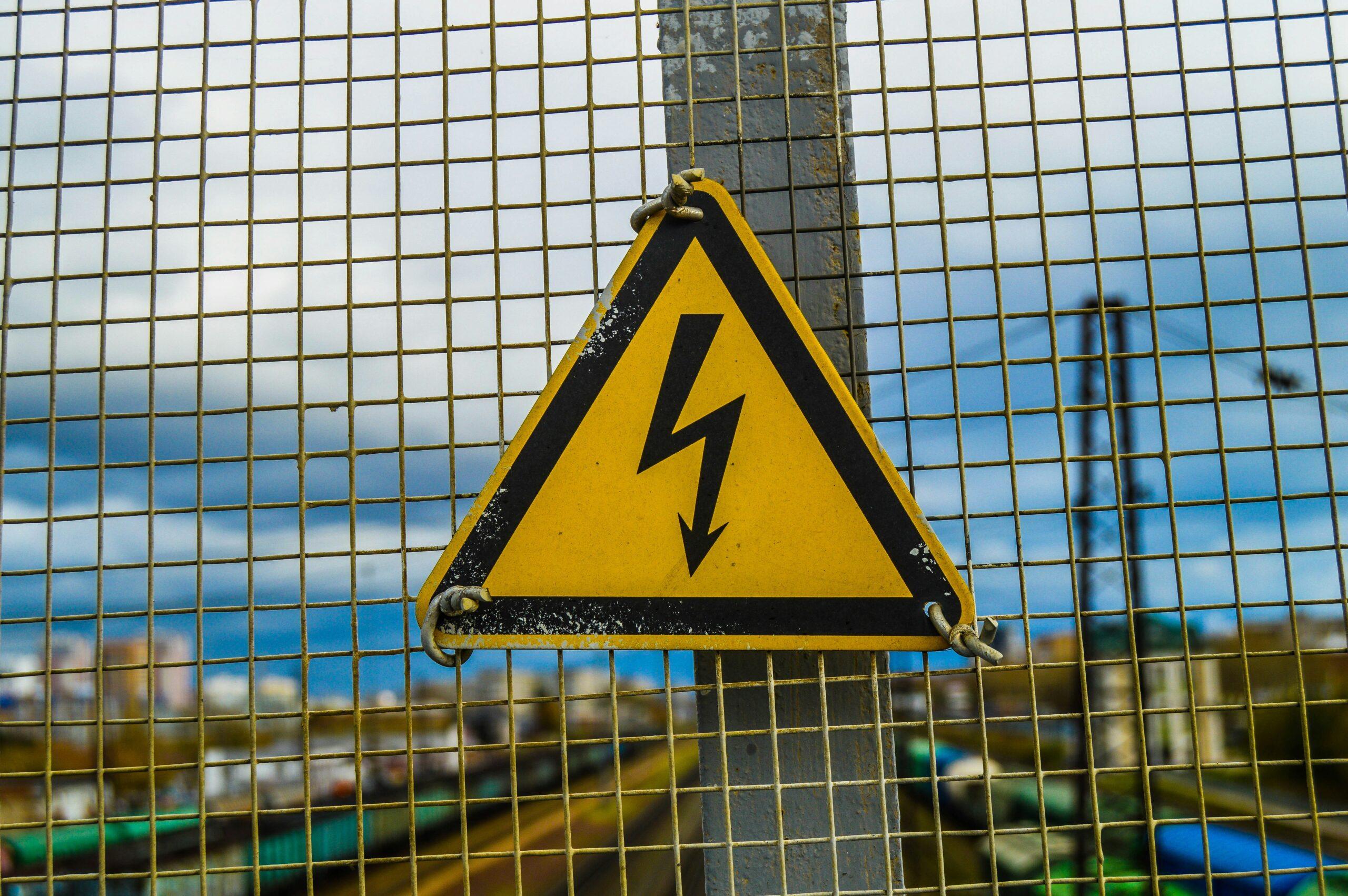
Electrocution accidents can happen in any job that involves electricity, but they’re especially common in construction, maintenance, utility work, and manufacturing. Even in office settings, faulty wiring or malfunctioning equipment can pose serious risks. Exposed wires and live circuits are common causes of workplace electrical accidents.
If you see an exposed wire or circuit, never touch it, even if you think it isn’t carrying a current. The use of electrical tools also poses a threat to workplace safety if they are faulty or improperly grounded. Linemen are some of the most at-risk individuals in terms of electrical accidents due to their frequent proximity to overhead power lines or underground cables.
Employers are required by law to maintain safe work environments, follow OSHA regulations, and provide training to reduce the risk of electrical injuries. When safety standards are ignored, workers are the ones who pay the price.
Types of Electrocution Injuries
The effects of an electrical shock depend on the voltage, current, and duration of exposure. Even brief contact can cause serious harm. Common types of electrocution-related injuries include:
- Thermal burns, which can damage skin, muscles, and organs
- Cardiac complications, such as arrhythmias or cardiac arrest
- Nerve and spinal damage, leading to chronic pain or paralysis
- Respiratory failure due to muscle damage
- Secondary injuries from falls or sudden muscle contractions during shock
In the most severe cases, electrocution can be fatal. Survivors often face long hospital stays, multiple surgeries, and extensive rehabilitation.
Treatment and Recovery
Immediate medical treatment is always necessary after an electric shock. Emergency responders will stabilize the victim, treat burns if they are present, and monitor heart and lung function. Hospital care may include wound management, skin grafts, pain control, and therapy to restore muscle and nerve function.
Recovery can take months or even years, depending on the extent of the injuries. Survivors may experience chronic weakness, mobility issues, or cognitive challenges due to oxygen deprivation during the shock.
They may also experience post-traumatic mental effects, like anxiety and stress. These long-term effects can make returning to work difficult or impossible without accommodations.
Workers’ Compensation and Electrocution Injuries
The workers’ compensation system is designed to protect employees injured on the job, including those hurt by electrocution. These benefits can cover medical care and lost wages, and disability payments if the injury results in lasting impairment.
If a worker dies from electrocution, their family may be entitled to death benefits, which help cover funeral costs and provide financial support for dependents. The process of filing a workers’ compensation claim can be overwhelming, especially while recovering from severe injuries. Having legal guidance ensures all deadlines are met and that your employer’s insurer doesn’t undervalue or deny your claim.

What to Do After an Electrical Accident at Work
If you’re shocked or injured by electricity at work, your priority should be safety and medical attention. Move away from the electrical source if possible, and call 911 or seek emergency care immediately. Alert your supervisor as soon as possible.
If you feel okay after the accident, you should still seek medical attention. Internal injuries from electrical currents can worsen quickly and aren’t always visible.
After receiving medical care, document what happened by taking photos of the work area, noting any defective equipment, and gathering the names of witnesses. Report the injury to your employer as soon as possible to preserve your right to workers’ compensation benefits. If you do not report the injury, you may risk your right to file a claim for benefits.
Finally, consult a workers’ compensation attorney to make sure your claim is properly filed and that all potential sources of recovery are explored. An experienced lawyer can determine whether negligence by a third party, such as a contractor or equipment manufacturer, played a role in your injury.
How Pond Lehocky Can Help
Severe electrocution injuries often come with long hospital stays and painful rehabilitation. With serious injuries, a person may lose months of income they need to provide for themselves and their dependents. Some victims never fully recover, facing permanent disabilities that change their careers and their lives.
At Pond Lehocky, we help workers and their families overcome these challenges with compassion and expertise. Our attorneys ensure that injured workers get access to the full benefits they’re entitled to, and that employers and insurers are held accountable. We understand that insurers will sometimes attempt to deny claims by saying the injury was the worker’s own fault, or isn’t as serious as it is.
We work closely with medical providers to document the true extent of your injuries and fight for compensation that covers every part of your recovery, including expenses like future treatment, therapy, and long-term care as well.
Reclaiming Your Power After an Injury
An electrical injury can happen in a moment, but its impact can last a lifetime. You don’t have to face that journey alone.
If you or a loved one suffered an electrocution injury at work, contact Pond Lehocky today. Our team will guide you through every step of the workers’ compensation process and fight to make sure you get the care, compensation, and peace of mind you deserve.