Key Takeaways
- Eye injuries can lead to permanent vision loss, so immediate medical treatment and proper documentation are crucial for a strong workers’ comp claim.
- Workers’ comp can cover medical care, wage replacement, and specific-loss benefits for partial or total vision loss — but insurers often dispute these claims.
- A lawyer helps prove work-related cause, secure full benefits, and fight denials or low settlement offers, especially in severe or permanent-impairment cases.
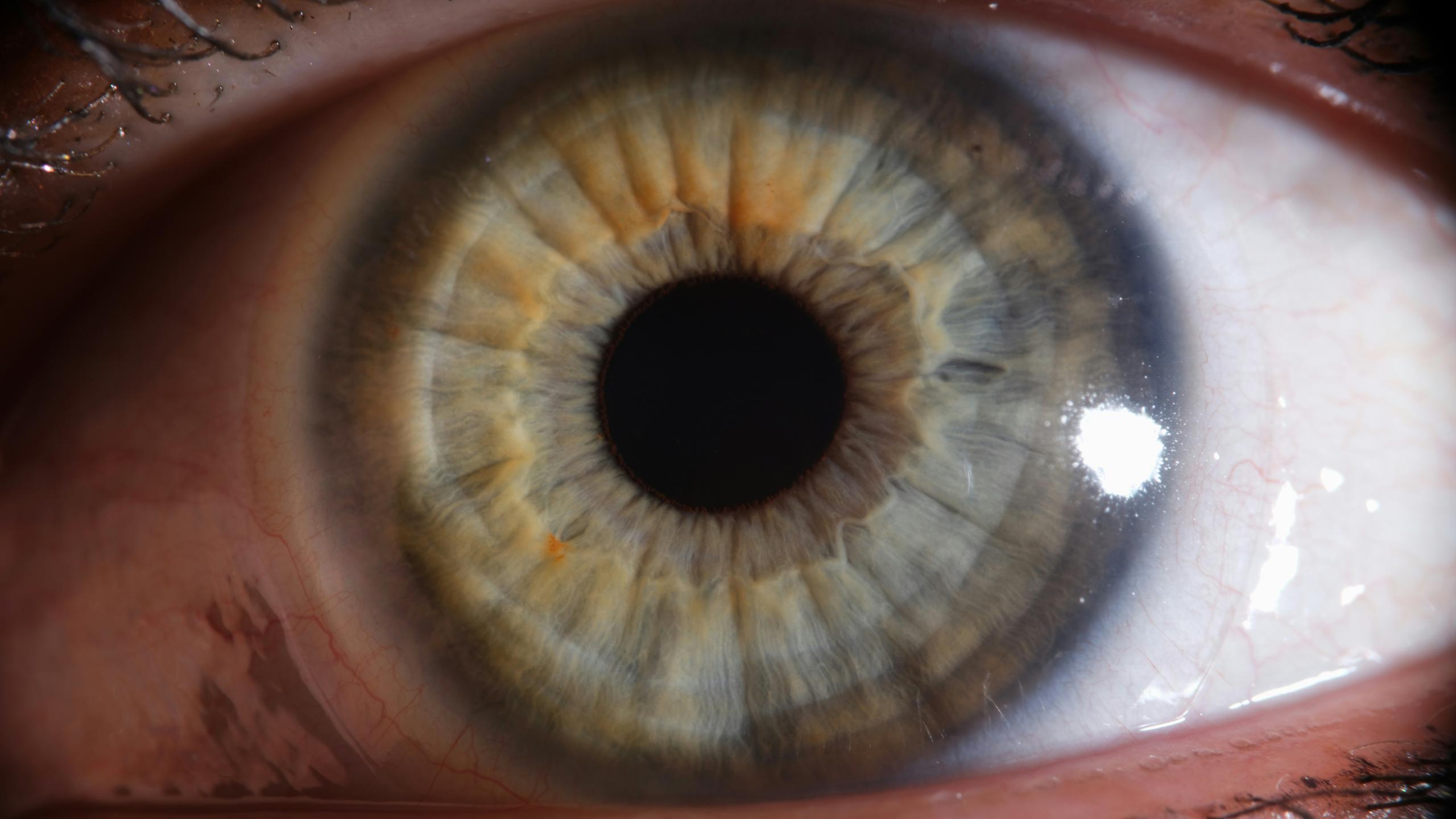
Your eyes are among your most valuable tools, helping you stay alert and safe on the job. When an eye injury occurs, it can impact every aspect of your life. Whether from a chemical splash, flying debris, or a sudden impact, eye injuries can cause intense pain, vision loss, or even permanent blindness.
For workers, these injuries can be career-ending. At Pond Lehocky, we understand how devastating an eye injury can be. Our team helps injured workers get the medical care, wage benefits, and long-term support they need through the workers’ compensation system.
Common Causes of Eye Injuries at Work
Eye injuries can happen in almost any job setting, not just in construction or manufacturing. Office workers, healthcare professionals, and lab technicians all face risks that can lead to partial or total vision loss if safety precautions fail. The most common workplace causes include:
- Flying debris or particles from grinding, drilling, or cutting
- Chemical exposure or splashes from cleaning agents, solvents, or industrial fluids
- Burns from welding sparks or ultraviolet light
- Impact from tools, machinery, or falling objects
- Lack of protective eyewear or malfunctioning safety equipment
Even a tiny particle of dust or metal can cause severe irritation, corneal abrasions, or infections that threaten long-term vision. That’s why every eye injury, no matter how minor it seems, deserves immediate attention.
Types of Eye Injuries
Eye injuries vary widely in severity and cause. Some are surface-level, while others affect deeper structures of the eye and surrounding tissue. The cells in the eye do not regenerate, which means that when they are damaged, a portion of vision can be lost permanently.
Common types of eye injuries include corneal abrasions (scratches on the eye’s surface), chemical burns, puncture wounds, and blunt-force trauma that damages internal structures like the retina or optic nerve. In addition, blue light (from computer screens, the sun, and LED screens and lights) may also cause harm, although research is still ongoing to determine the extent of potential damage it may cause.
Symptoms of eye injuries can include redness, pain, tearing, blurred vision, light sensitivity, and difficulty keeping the eye open. In serious cases, vision loss may occur immediately or develop gradually over time. Seeking fast medical treatment is critical to prevent permanent damage.
Treatment and Recovery
Treatment for an eye injury depends on its type and severity. Minor abrasions may heal with rest, antibiotic ointments, and eye protection. More serious injuries might require surgery, vision therapy, or long-term use of protective eyewear.
Recovery can be unpredictable. Some patients regain full vision, while others experience lingering effects such as double vision, reduced clarity, or chronic discomfort. In cases of permanent vision loss, workers may need accommodations or even a full career change.
Emotional recovery is equally important, as adjusting to partial or total blindness can be deeply challenging and cause mental anguish and loss of enjoyment of life.
Workers’ Compensation for Eye Injuries
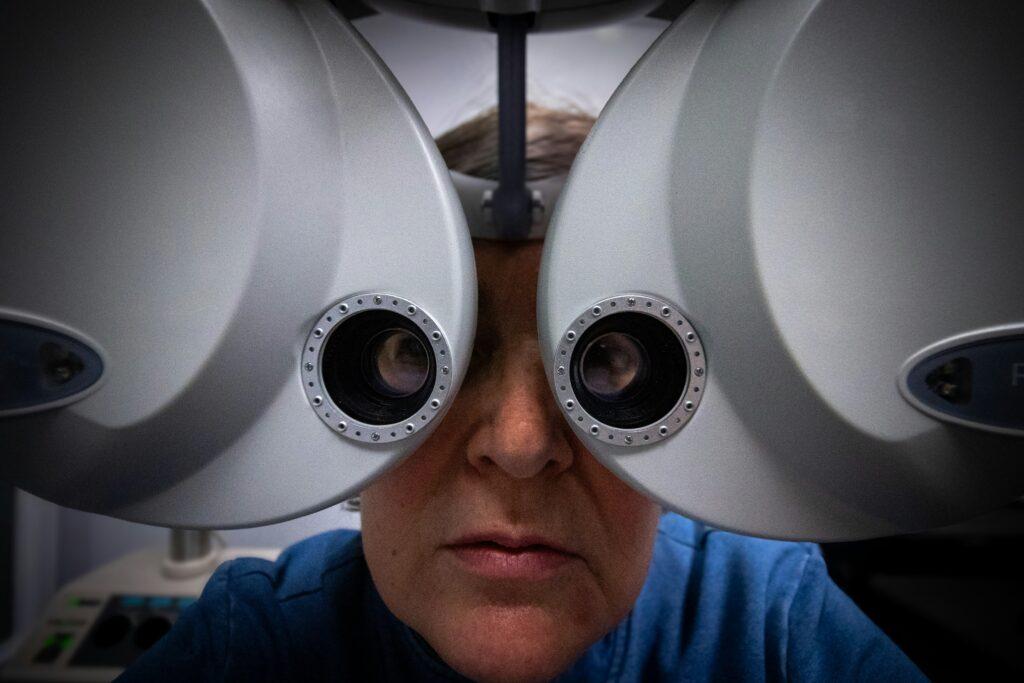
Under workers’ compensation laws, medical care and wage replacement are available for employees who suffer job-related eye injuries. This includes emergency treatment, surgeries, prescriptions, and rehabilitation. If an eye injury leads to partial or total vision loss, you may be entitled to specific loss benefits, which provide additional compensation based on the severity of your impairment.
These benefits can also apply if you lose sight in one or both eyes, or if scarring and disfigurement around the eye impact your appearance. Because vision-related claims are usually very involved, it’s important to work with an attorney who understands how to calculate and pursue every eligible benefit.
What to Do After a Workplace Eye Injury
When an eye injury occurs, seek medical attention immediately, even if you think your eye is okay. Do not try to rinse or treat the injury yourself unless instructed by a professional. Inform your supervisor or safety officer right away and complete an incident report detailing how the injury happened, as failing to report the injury could play a negative role in your ability to file a workers’ compensation claim for benefits if you need to.
After receiving medical treatment, make sure your doctor documents that the injury occurred at work. Keep copies of all reports, prescriptions, and follow-up instructions. These records will support your workers’ compensation claim if questions arise later.
Finally, contact a workers’ compensation attorney as soon as possible. An experienced lawyer can help ensure your claim is filed correctly and important deadlines are met. If your claim is denied or you receive a lowball settlement offer, an attorney can help you with an appeal and negotiate the fair compensation you need to recover.
How Pond Lehocky Supports Injured Workers
Recovering from an eye injury requires healing and rebuilding your life. Our attorneys at Pond Lehocky work closely with medical experts to document your condition and assess your long-term needs. We understand that covering your current medical bills and missed pay are often not enough to help you move forward, so we advocate for the additional compensation you’re entitled to.
We handle the legal complexities so you can focus on recovery. Whether your claim involves a temporary injury or permanent vision loss, we fight for coverage that includes all aspects of your care, from emergency treatment to rehabilitation and future medical expenses.
If you haven’t yet filed a claim, your claim has been denied, or you feel your claim has been delayed, we can help. We are able to assist you no matter what part of the claims process you are in.
Protecting Your Vision and Your Rights
Losing part or all of your vision can affect every part of your life, from your ability to work to how you navigate daily routines. Thankfully, you don’t have to face that future alone.
If you’ve suffered an eye injury on the job, contact Pond Lehocky today. Our team is here to guide you through the workers’ compensation process, ensure your rights are protected, and help you secure the resources you need to move forward with confidence.