Key Takeaways
- Fractures are among the most common workplace injuries and can result from falls, heavy equipment, or repetitive stress — often requiring long recovery periods.
- Workers’ compensation should cover medical treatment, rehabilitation, lost wages, and disability benefits, but insurers often delay or deny claims.
- The workplace fracture lawyers at Pond Lehocky can collect medical evidence, challenge denials, and fight for the maximum benefits you deserve.
Broken bones might sound like straightforward injuries, but in the workplace, they can be anything but simple. Fractures are among the most common job-related injuries, especially in high-risk industries like construction, manufacturing, and healthcare. From slips on a hospital floor to heavy equipment accidents on a construction site, a broken bone can sideline even the most dedicated worker for weeks or, in some cases, permanently.
At Pond Lehocky, we know that a fracture disrupts your livelihood. Recovery takes time, and medical bills can pile up. Sometimes, getting back to work isn’t always guaranteed. That’s why it’s important to understand both the medical and legal sides of these injuries and to know that help is available when workers’ compensation insurers don’t treat your case fairly.
Common Types of Workplace Fractures
Not all fractures are the same. Depending on how the bone breaks and the circumstances of the injury, the treatment and recovery process can vary widely. Here are some of the most common types of workplace fractures:
- Stress fractures. Stress fractures are tiny cracks in the bone, often caused by repetitive motion or overuse. Healthcare workers, warehouse employees, and others who spend long hours on their feet are particularly at risk.
- Simple fractures. A simple fracture is a clean break where the bone remains aligned and does not pierce the skin. These may heal with casting and rest, but still keep a worker out for weeks.
- Displaced fractures. With a displaced fracture, the bone breaks into two or more pieces and shifts out of alignment. Surgery is often required to realign and stabilize the bone.
- Compound (open) fractures. If you have a compound fracture, the bone pierces the skin, creating a risk of infection and requiring immediate surgery. These are among the most serious fracture injuries seen on job sites.
Fractures can occur in any part of the body, like the arms, legs, ribs, hips, or even the skull. Fractures in each location come with their own challenges. A broken arm may prevent lifting or handling tools, while a fractured leg can make standing, climbing, or walking impossible.
Recovery and Long-Term Complications
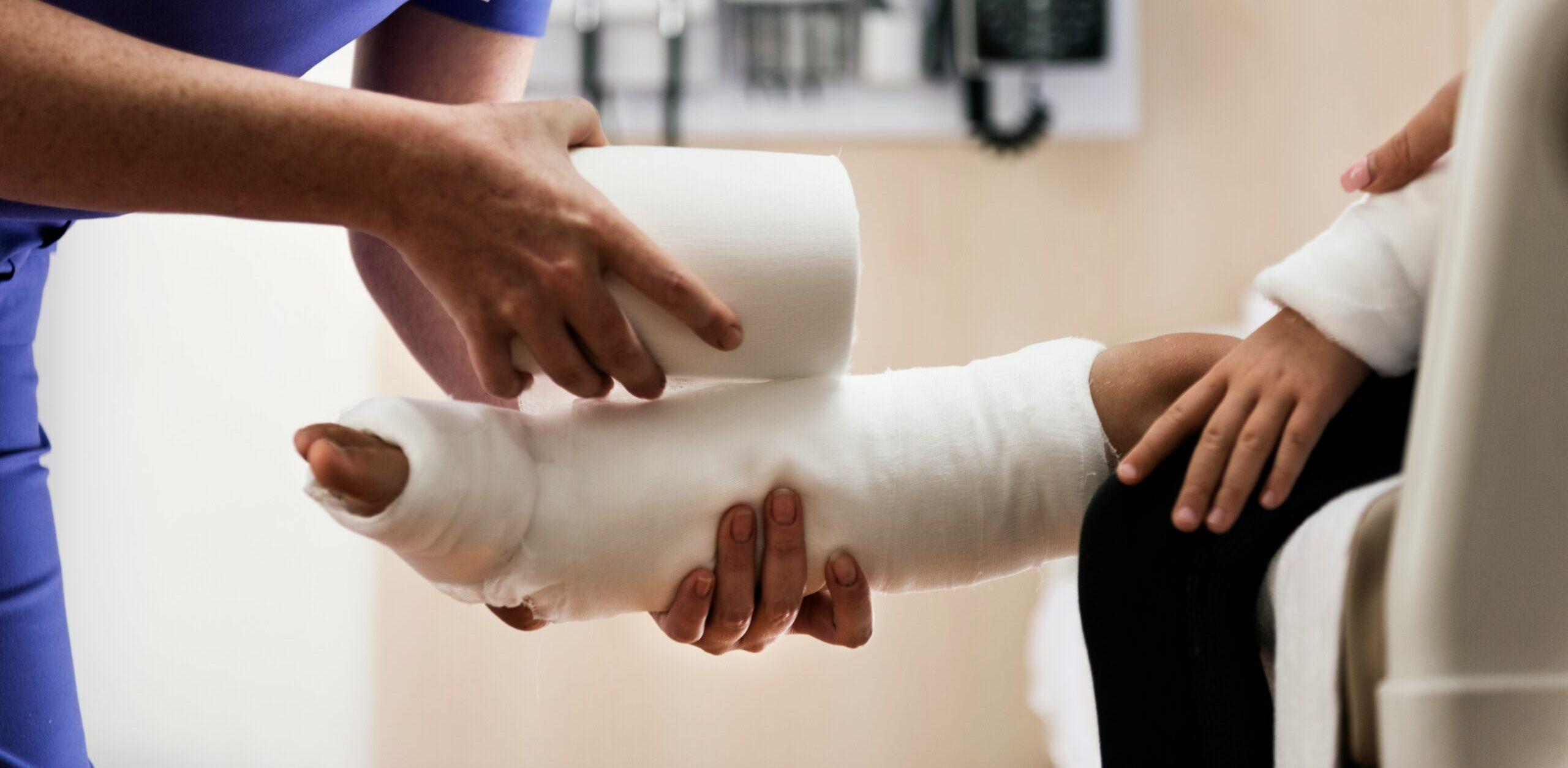
Some fractures heal relatively quickly with rest and casting. Others may require additional treatment, like physical therapy. Sometimes, fractures leave lasting consequences. The severity of the break and where it is located can affect the worker’s overall health and recovery time.
- Short-term cases. Minor fractures may heal in 6 to 8 weeks, but even during this time, workers may not be able to perform their usual duties.
- Severe cases. Displaced or compound fractures can require multiple surgeries, months of rehabilitation, and extended time away from work.
- Long-term complications. Chronic pain, reduced range of motion, and post-traumatic arthritis are all possible. Some workers may never regain full strength, leaving them unable to return to their previous job.
It’s important to recognize that fractures are not always “short-term” injuries. Employers and insurers may try to categorize them as such, but the reality is that even after the bone heals, the ripple effects on a worker’s career and quality of life can last for years.
Workers’ Comp for Broken Bones
Workers’ compensation is designed to provide financial and medical support after a workplace injury, including fractures. If you’ve suffered a broken bone at work, benefits should cover:
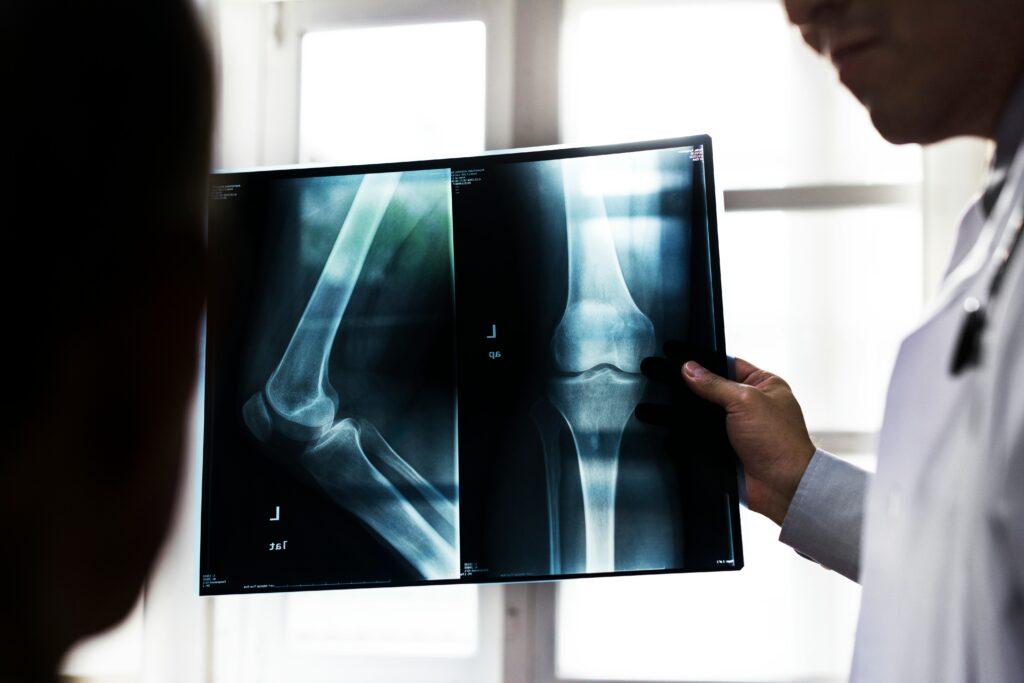
- Medical treatment. ER visits, X-rays, MRIs, surgery, casting, and follow-up care.
- Rehabilitation. Physical therapy, occupational therapy, or additional surgeries if complications arise.
- Wage replacement. Partial wage benefits while you’re out of work recovering.
- Disability benefits. If the fracture leaves long-term limitations, you may qualify for partial or total disability benefits.
These benefits are important since fractures can quickly become expensive. Between hospital bills and lost income, the financial strain can be overwhelming without proper workers’ comp coverage.
Challenges in Fracture Injury Claims
Unfortunately, many workers with fractures encounter resistance when filing for benefits. Insurance companies and employers sometimes downplay the seriousness of these injuries, treating them as temporary setbacks rather than potentially life-changing events. Common challenges include:
- Minimization of injuries. Insurers may argue that because bones typically heal, you don’t need long-term benefits even though you’ve been left with chronic pain or mobility limitations.
- Pre-existing condition arguments. Some employers try to claim that arthritis or an old injury is the “real” cause of your pain, not the workplace accident.
- Delays and denials. Insurers may drag out the claims process, delay treatment approvals, or deny coverage for certain therapies or procedures.
These tactics can leave injured workers without the medical care and financial support they urgently need. That’s where having an experienced fracture injury lawyer on your side makes a real difference.
How a Workplace Fracture Attorney Can Help
When you’re recovering from a broken bone, the last thing you should have to worry about is fighting with an insurance company. A skilled workers’ comp attorney can:
- Gather medical evidence. Making sure your diagnosis, treatment plan, and long-term outlook are fully documented.
- Challenge denials. Appealing insurance company decisions that limit or deny your care.
- Secure maximum benefits. Ensuring you receive all available workers’ comp benefits, including partial or total disability if your injury causes lasting limitations.
- Protect against pressure. Employers and insurers may push you to accept a quick settlement that doesn’t cover your future needs. A lawyer ensures you’re not pressured into agreeing to less than you deserve.
At Pond Lehocky, our team has years of experience representing injured workers, including those suffering from fractures. We know how devastating these injuries can be, and we fight tirelessly to make sure our clients receive the support they need to recover and move forward.
Get Help After a Workplace Fracture
A broken bone might seem like a temporary setback, but for many workers, fractures lead to long-term struggles. Whether it’s weeks of missed work, scheduling ongoing therapy, or permanent disability, the impact on your life and livelihood can be significant. You deserve fair treatment and full benefits, but the insurance company may push back.
If you’ve suffered a workplace fracture, reach out to Pond Lehocky today. Our experienced fracture injury lawyers understand the challenges you’re facing and will fight to secure the compensation and care you deserve. Call us now to speak with a trusted workers’ comp attorney for broken bones and protect your rights.