Key Takeaways
- Joint injuries can come from sudden accidents or repetitive strain, and even mild symptoms can turn into long-term disability without prompt care.
- Insurers often blame joint issues on pre-existing conditions, so documenting the work-related aggravation is critical for workers’ comp.
- A lawyer helps secure full medical coverage, wage benefits, and permanent-impairment compensation, especially when injuries require surgery or prolonged rehab.
From your knees and hips that bear your weight to your shoulders, wrists, and ankles that handle the rest, your joint health is incredibly important. Practically every person in the workforce relies on their joints, even if their job doesn’t require a lot of daily physical activity. As such, joint injuries are among the most common reasons for missed work and long-term disability claims.
At Pond Lehocky, we know that joint pain is both an inconvenience and a barrier to living and working comfortably. Understanding what causes joint injuries, how they’re treated, and what legal rights you have can make a world of difference in your recovery.
Common Causes of Joint Injuries at Work
Work-related joint injuries can happen in an instant or develop gradually over time. Some occur from sudden accidents, like slipping on a wet floor or lifting heavy objects, while others stem from years of repetitive movement. Jobs that involve constant bending, kneeling, twisting, or heavy lifting are especially hard on the joints, but even desk work can cause strain from awkward posture or lack of movement.
Common work-related causes include:
- Repetitive motion from tasks like typing, assembly line work, or using tools
- Slips, trips, and falls that impact knees, hips, or shoulders
- Heavy lifting or overexertion
- Direct trauma from machinery, falling objects, or collisions
Regardless of how your injury occurs, it’s important to report it immediately. Waiting too long to notify your employer or seek medical attention can make your symptoms worse and potentially hurt your workers’ compensation claim. After you get urgent medical attention, if needed, reporting your injury to your boss should be next on your list.
Symptoms and Long-Term Impact
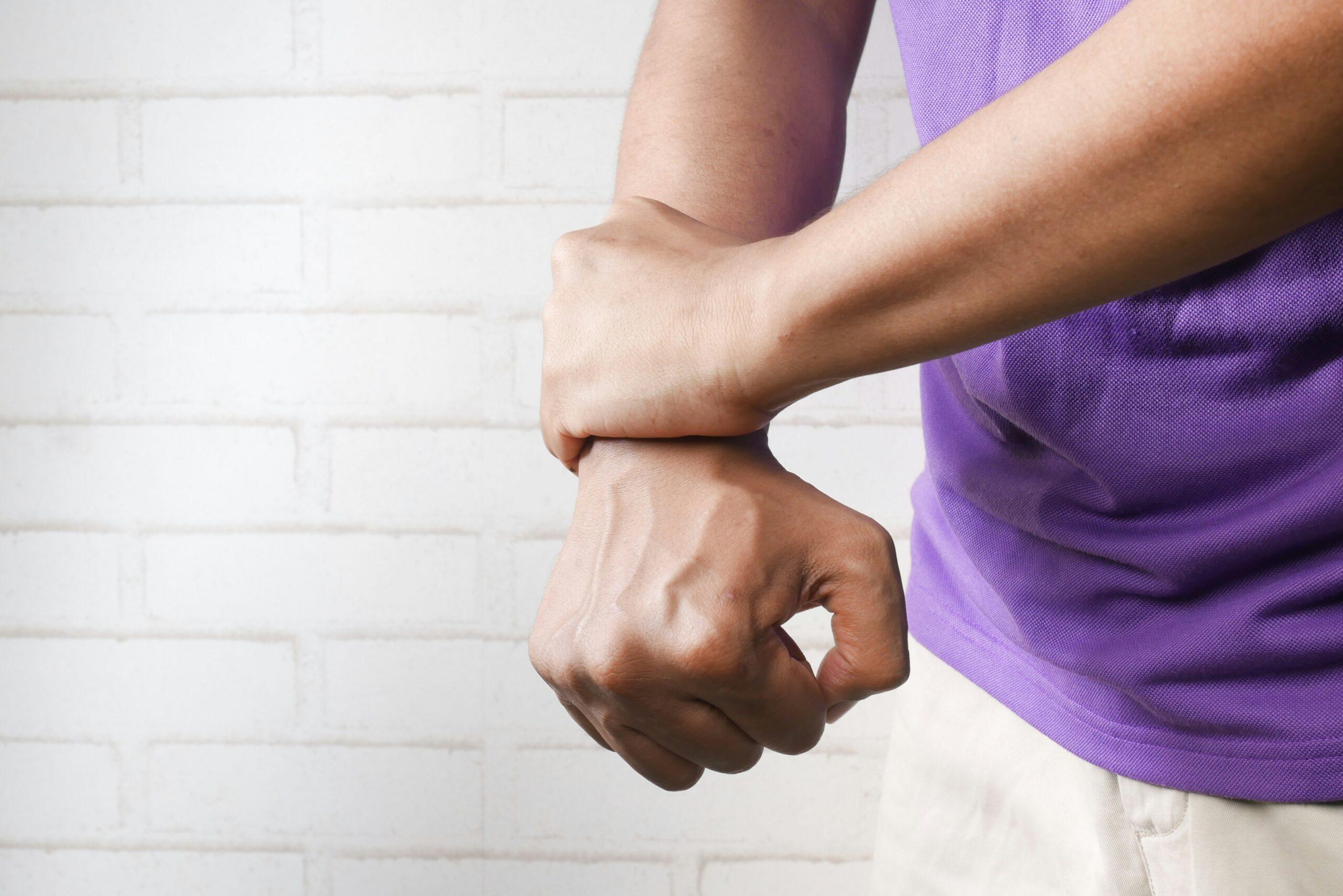
Joint injuries can range from mild inflammation to severe damage that requires surgery. Common symptoms of joint injuries include swelling, stiffness, limited range of motion, and persistent pain that worsens with activity. In more serious cases, a torn ligament or dislocation can make the joint unstable and prone to reinjury.
Over time, untreated or improperly healed injuries can lead to chronic pain, arthritis, or even permanent disability. For workers whose jobs rely on physical movement, such as nurses, warehouse staff, construction workers, and first responders, these injuries can threaten both income and independence.
Even workers with desk jobs are at risk of permanent disability. Arthritis in the fingers and wrists can prevent a computer user from being able to do their job successfully.
Diagnosis and Treatment
Getting an accurate diagnosis is key to effective treatment. Medical providers may use imaging tests like X-rays, MRIs, or ultrasounds to evaluate the damage and rule out fractures or nerve involvement. You may be asked to get an X-ray first and try rest and physical therapy before having another imaging test performed.
Treatment often depends on the type and severity of the injury. Mild sprains or strains may heal with rest, ice, and physical therapy, while torn ligaments, dislocations, or cartilage damage may require surgery followed by months of rehabilitation. Even after treatment, stiffness and weakness can persist, making it difficult to return to previous job duties without accommodations.
What Workers’ Compensation Can Cover
When your joint injury happens on the job, workers’ compensation insurance can help relieve the financial strain that comes with recovery. These benefits typically include coverage for medical expenses such as doctor visits, surgery, physical therapy, and medications, as well as partial wage replacement while you’re unable to work. If your injury causes lasting impairment or disability, you may be entitled to additional compensation.
In some cases, workers’ comp can even assist with job retraining or placement if you’re unable to return to your previous role. Having an experienced attorney ensures your claim is filed correctly and that you receive the full range of benefits you’re entitled to under the law. It’s not uncommon for claims to be denied initially, but many of these claims are able to be approved on appeal.
Having an experienced attorney reduces the risk that your claim will be denied due to clerical errors or untimely filing, and gives you a better chance of getting your claim approved in an appeal case.

Protecting Your Rights After a Workplace Joint Injury
Unfortunately, insurance carriers sometimes dispute joint injury claims, arguing that they stem from pre-existing conditions or normal wear and tear. But even if arthritis or degeneration existed before, a work-related aggravation of that condition still qualifies for benefits under workers’ compensation laws.
After an injury, be sure to report it to your employer as soon as possible. Your employer may have doctors or healthcare providers they prefer you to see. It’s important to make your appointments with these doctors and receive care from them.
Follow all of the doctor’s instructions, including avoiding work until they say you are ready. If you run into roadblocks like denied claims or issues with your employer expecting you to return to work sooner than your doctor thinks you are ready, it’s a good idea to call an attorney.
Why Legal Representation Matters
Workers’ compensation claims for joint injuries are not always straightforward. Insurance companies may argue that your condition was pre-existing or caused by something outside of work. Documentation, timing, and medical evidence are all important, and having an experienced workers’ compensation attorney can make all the difference.
At Pond Lehocky, our team helps you gather medical records and documents needed to support your claim. We communicate with your employer’s insurer and ensure your claim is handled properly from start to finish. If your benefits are denied or cut off early, we’ll fight to appeal the decision and protect your rights, taking every action necessary to help you get the compensation you need to move forward.
Protecting Your Future
Joint injuries can take months or even years to fully heal. Some workers may never regain their full strength or range of motion, leading to lasting challenges. That’s why it’s so important to get the care and support you deserve early on.
If you’ve suffered a joint injury at work, don’t wait to take action. Contact Pond Lehocky today for a free consultation. We’ll help you understand your rights, secure your benefits, and move forward with confidence, one step at a time.