Key Takeaways
- Workplace cuts can lead to serious complications, so quick medical care and documentation are crucial.
- Reporting the injury right away protects your workers’ comp rights and strengthens your claim.
- Legal help can prevent denied benefits and ensure full compensation for medical costs, lost wages, and scarring.
Many workers consider cuts and scrapes a part of the job, especially in industries such as construction, manufacturing, food service, and healthcare, but not all lacerations are minor. Deep cuts can damage tendons, nerves, or muscles and may lead to infection or permanent scarring.
When a laceration occurs at work, it can be both a medical and a legal issue. You have the right to file for workers’ compensation to cover your medical expenses and lost income.
At Pond Lehocky, we’ve seen how even seemingly small injuries can cause long-term pain, missed work, and mounting medical bills. Understanding what to do after a workplace cut and knowing your rights is key to protecting your health and financial future.
Common Causes of Lacerations at Work
Lacerations and cuts can occur in nearly any job environment. Some happen suddenly, while others result from unsafe conditions or improper equipment use. Sharp tools, machinery, or even poorly maintained workplaces can turn an ordinary workday into an emergency.
Here are some of the most common workplace causes:
- Contact with sharp objects such as knives, glass, or metal
- Accidents involving power tools or industrial machinery
- Falls or slips that cause impact with sharp surfaces
- Broken equipment or defective safety gear
- Lack of proper training or supervision
When these injuries happen, it’s important to notify your employer immediately and seek medical attention, even if the cut seems minor at first. Infections and complications often develop later, especially when wounds aren’t treated promptly.
The Dangers of Ignoring a Laceration
What starts as a small cut can quickly become a serious medical problem. Lacerations can lead to blood loss, deep tissue damage, or infection, particularly when the wound is contaminated with dirt, metal, or chemicals.
In severe cases, nerve damage may result in chronic pain, numbness, or loss of mobility in the affected area. Think of the fact that being punctured with a rusty nail almost always requires treatment with a tetanus shot to prevent serious illness.
For workers who depend on their hands or feet, these complications can be life-changing. Tasks that once seemed routine, like typing, gripping tools, walking, or lifting, may become difficult or impossible. That’s why a quick medical evaluation is the best course of action, along with careful documentation for your workers’ compensation claim.
Treatment and Recovery
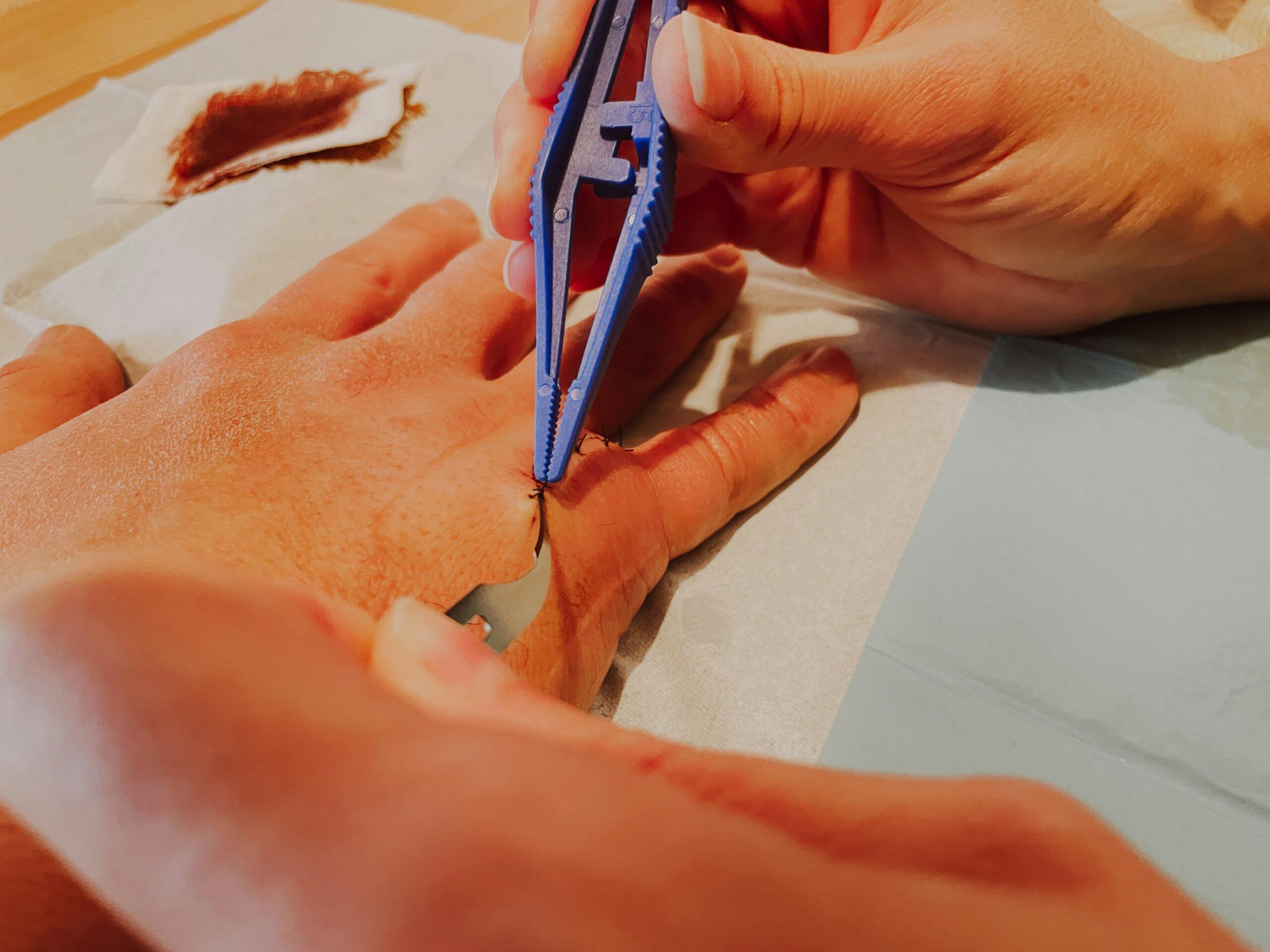
Treatment for lacerations depends on the wound’s depth, location, and severity. Many require stitches, steri-strips, or surgical repair to close the wound and prevent infection. Doctors may also prescribe antibiotics, pain management, or physical therapy if muscles or tendons are affected.
Recovery time can range from a few days for minor cuts to several months for deeper wounds. In some cases, workers may require reconstructive surgery or scar revision to restore function and appearance. Following all medical instructions carefully and keeping thorough records can strengthen your claim if your injury leads to missed work or long-term disability.
Workers’ Compensation for Lacerations and Cuts
When your injury happens on the job, workers’ compensation can help you recover without financial stress. These benefits typically cover your medical expenses, from emergency treatment to follow-up care, as well as partial wage replacement while you’re unable to work. If your cut causes scarring or permanent disfigurement, you may also be entitled to additional compensation.
It’s important to remember that even if your injury seems minor, failing to report it can jeopardize your claim. A small injury that turns into something bigger may not be covered by workers’ compensation if you fail to report the injury initially. Some workers delay seeking help, assuming the wound will heal on its own, only to face infection or worsening symptoms later.
By reporting your injury promptly and getting a medical evaluation, you protect both your health and your legal rights.

Why Legal Help Matters
While most employers and insurance companies process claims in good faith, disputes do happen. You may be told your injury isn’t serious enough to qualify, or that it wasn’t directly caused by your job.
Further, you could be told that you could have avoided the injury by taking more precautions. In these situations, having an experienced workers’ compensation attorney makes all the difference.
At Pond Lehocky, we ensure your claim is documented properly and deadlines are met on time. When we file your claim, we make certain your medical evidence is clear and complete. If your benefits are denied or prematurely terminated, our attorneys will fight for your right to the compensation you’re owed.
What to Do After a Cut at Work
A workplace cut can happen in seconds, but what you do next can make all the difference in your recovery and your ability to receive workers’ compensation. Taking the right steps immediately protects both your health and your legal rights.
First, get medical attention right away because even if the cut looks minor, you may need stitches, a tetanus shot, or antibiotics to prevent infection. Tell your healthcare provider that the injury happened at work, which will ensure your medical records support your claim later.
Next, report the injury to your employer as soon as possible. Provide a clear description of how and where the injury occurred, and if possible, take photos of the scene or the object that caused the cut. You should also keep copies of all medical reports and correspondence related to your injury, as documentation is key when filing a workers’ compensation claim and can help resolve disputes about the severity or cause of your wound.
Finally, consult with an experienced workers’ compensation attorney if your claim is delayed, denied, or if you face pressure to return to work before you’ve healed. An attorney can help ensure you receive the full benefits you’re entitled to, including coverage for medical care, lost wages, and any permanent scarring or disfigurement.
Protecting Your Health and Your Future
Cuts and lacerations might not always make headlines, but for injured workers, they can mean weeks or months of pain, lost wages, and frustration. You don’t have to go through that alone.
If you’ve suffered a workplace laceration or deep cut, contact Pond Lehocky today. Our team will walk you through your rights, help you file your claim, and make sure you receive the care and compensation you deserve. Because every worker, no matter how small the injury may seem, deserves to heal with dignity and security.