
 Back to News
 Trusted Content
Table of Contents
As artificial intelligence and robotics transform Philadelphia workplaces, workers face new risks from algorithmic management systems that intensify work pace and collaborative robots operating alongside humans. The Pennsylvania Workers’ Compensation Act covers workplace injuries and illnesses, but many Philadelphia workers wonder whether AI-related injuries qualify for benefits.
If you’ve been injured due to AI or robotic systems at work, Pond Lehocky can help you understand your rights and pursue the compensation you deserve. Call 1-800-568-7500 or contact us now for a free consultation about your workplace injury claim.
Legally Reviewed By:
 Trusted Content


Understanding AI and Robotics in Philadelphia Workplaces
Philadelphia employers increasingly rely on advanced technologies to manage operations and workers. According to OECD data, 90% of U.S. firms have adopted algorithmically driven tools for instructing, monitoring, or evaluating workers. Philadelphia workers across industries, from warehouses to offices, likely encounter AI systems daily.
The National Institute for Occupational Safety and Health (NIOSH) established the Center for Occupational Robotics Research in 2017 to address worker safety concerns with emerging technologies, monitoring injury trends and developing prevention strategies.
These technologies take various forms. Algorithmic Management (AM) refers to digital technologies driven by algorithms that assume managerial functions, automatically assigning tasks, monitoring productivity through keystroke logging, tracking workers via GPS, and evaluating performance using data analytics.
💡 Pro Tip: Document any workplace technology that controls your work pace, monitors your movements, or makes decisions about your tasks. This information becomes crucial evidence if you’re injured due to system demands or robot malfunction.
Types of AI-Related Workplace Injuries
Modern workplace technologies create both physical and psychological hazards for Philadelphia workers. Research identifies algorithmic management as a potential occupational health hazard, with implications for various injury types qualifying for workers’ compensation benefits.
Physical Injuries from Robotic Systems
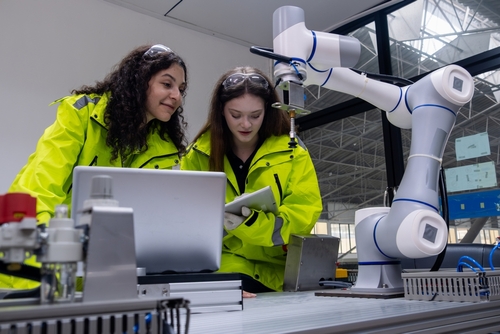
Collaborative robots, mobile robots, and powered exoskeletons present direct physical risks. Workers may suffer crush injuries, lacerations, or musculoskeletal disorders when safety systems fail or robots operate unpredictably due to AI decision-making. Advances in artificial intelligence have boosted robot capabilities but also increased worker exposure to potential harm.
Stress-Related Conditions from Algorithmic Pressure
Algorithmic management systems that continuously monitor performance create intense workplace stress. Systems logging keystrokes and capturing screenshots enable constant surveillance, leading to anxiety disorders, depression, and stress-related physical conditions like hypertension or digestive problems.
Repetitive Strain Injuries
AI systems optimized for efficiency push workers to maintain unsustainable work paces. Without adequate breaks or task variation, workers develop carpal tunnel syndrome, tendinitis, and other repetitive strain injuries. The algorithmic drive for productivity frequently ignores human physical limitations.
Pennsylvania Workers’ Compensation Coverage for AI Injuries
The Pennsylvania Workers’ Compensation Act governs workplace injury claims throughout the Commonwealth. While the Act doesn’t specifically mention AI or robotics, it covers injuries and illnesses arising out of and in the course of employment, a broad standard encompassing technology-related harm.
Proving Your AI-Related Injury Claim
You must establish that your injury occurred during work activities and resulted from workplace conditions. For AI-related injuries, demonstrate how technology contributed to your harm. Evidence might include:
- Documentation of robotic equipment involved in your accident
- Records showing algorithmic work assignments or monitoring systems
- Medical evidence linking your condition to workplace technology
- Witness statements about unsafe AI or robotic practices
💡 Pro Tip: Pennsylvania law requires prompt injury reporting. You must notify your employer within 120 days about any workplace injury, including AI- or robotics-related injuries; to receive retroactive benefits from the injury date you should report within 21 days. Immediate reporting is still strongly recommended as a best practice, even if symptoms develop gradually.
Compensable Benefits Under Pennsylvania Law
Workers who prove AI-related injuries receive medical treatment coverage for all reasonable and necessary care, wage loss benefits replacing lost income during recovery, and potential specific loss benefits for permanent impairment.
The Department of Labor & Industry operates a helpline at 7:30 a.m. to 4:30 p.m., Monday through Friday. The state’s centralized WCAIS system manages all workers’ compensation data efficiently.
Challenges in Proving AI and Robotics Injuries
While Pennsylvania law covers AI-related injuries in principle, proving these claims presents unique challenges requiring detailed documentation and often expert testimony.
Establishing Causation
Unlike traditional workplace accidents with obvious causes, AI-related injuries develop subtly. Stress from algorithmic monitoring accumulates over time. Repetitive strain injuries from AI-driven work pacing emerge gradually. Connecting these conditions definitively to workplace technology requires comprehensive documentation.
Regulatory Gaps
Current regulations haven’t caught up with workplace technology advances. Workers have minimal say about data collection or algorithmic decisions affecting their safety. This regulatory vacuum means fewer clear standards exist for proving employer negligence or unsafe AI practices.
Employer Defenses
Employers may argue injuries resulted from personal factors rather than workplace technology, claiming stress comes from outside sources or repetitive strain stems from non-work activities. Overcoming these defenses requires comprehensive evidence linking your condition specifically to AI or robotic systems.
Legal Rights of Philadelphia Workers Injured by AI
Despite challenges, Philadelphia workers maintain important rights when injured by workplace technology. Understanding these protections ensures proper compensation for AI-related harm.
Safety Standards and Employer Obligations
Federal OSHA standards apply to Philadelphia workplaces using robotic systems, including lockout/tagout procedures and proper machine guarding. Employers who fail to meet these standards may face liability beyond standard workers’ compensation claims.
The Wharton Human-AI Research conference in Philadelphia brings together national experts discussing AI’s workplace impacts, reinforcing that Philadelphia employers should stay informed about emerging technology risks.
💡 Pro Tip: Request copies of your employer’s safety protocols for any AI or robotic systems you work with. Missing or inadequate safety procedures strengthen your injury claim and may indicate OSHA violations.
Documentation and Evidence Preservation
Successfully pursuing an AI-related injury claim requires thorough documentation. Keep records of all algorithmic management system interactions, including screenshots of productivity demands or monitoring alerts. Document robot malfunctions or near-misses, even without immediate injury.
Medical records proving your injury connection to workplace technology become crucial evidence. Ensure healthcare providers understand exactly how AI or robotic systems contributed to your condition.
Steps to Take After an AI-Related Workplace Injury
Taking proper steps immediately after suffering an AI or robotics injury protects your rights and strengthens your compensation claim. Pennsylvania law sets specific requirements and deadlines.
Immediate Actions
Report your injury to your supervisor promptly, even if symptoms seem minor. Pennsylvania law requires notice within 120 days for workers’ compensation eligibility, and reporting within 21 days is necessary to preserve full retroactive benefits; immediate reporting is still strongly recommended. Specify that workplace technology caused or contributed to your injury. Get medical attention right away, informing healthcare providers about the AI or robotic systems involved.
Document everything: the specific technology involved, any malfunction or unexpected behavior, witness names, and the date, time, and location. Take photographs of robotic equipment or screenshots of algorithmic systems if safely possible.
Filing Your Workers’ Compensation Claim
Pennsylvania’s centralized WCAIS system streamlines the claims process. Your claim should clearly explain how AI or robotic technology caused your injury, including specific details about the systems involved and how they created unsafe conditions.
Seeking Legal Representation
Given the complexity of proving AI-related injuries, many Philadelphia workers benefit from legal representation. A workers compensation lawyer in Philadelphia understands both Pennsylvania compensation law and emerging technology injury patterns. They can gather technical evidence, work with medical experts to establish causation, and counter employer defenses.
💡 Pro Tip: Don’t sign any employer forms or accept settlement offers before understanding your full rights. AI-related injuries may have long-term consequences that aren’t immediately apparent.
The Future of AI Safety in Philadelphia Workplaces
As AI and robotics become more prevalent, both safety regulations and compensation practices will evolve. The Center for Occupational Robotics Research prioritizes studying collaborative robots, mobile robots, and powered exoskeletons, with findings shaping safety standards affecting local workers.
Philadelphia’s position as a hub for academic and industry innovation means local workers often encounter cutting-edge technologies before comprehensive safety regulations exist. This makes understanding your current rights under Pennsylvania workers’ compensation law critical.
Frequently Asked Questions
What types of AI-related injuries does Pennsylvania workers’ compensation cover?
Pennsylvania workers’ compensation covers any injury or illness arising out of employment, including those caused by AI and robotic systems. This includes physical injuries from robot malfunctions, stress-related conditions from algorithmic monitoring, repetitive strain injuries from AI-driven work pacing, and psychological conditions from digital surveillance. The key is proving workplace technology caused or substantially contributed to your condition.
How long do I have to file a workers’ compensation claim for an AI-related injury in Philadelphia?
You must notify your employer within 120 days to preserve workers’ compensation eligibility in Pennsylvania; to preserve full retroactive benefit rights (i.e., benefits back to the injury date) you should report within 21 days. Earlier notification is always better, especially with gradually developing AI-related injuries. You generally have three years from the injury date to file a formal claim petition, though specific circumstances may affect these deadlines. Contact a Philadelphia workers compensation attorney immediately if you’re unsure about timing.
Can I sue my employer directly for injuries caused by dangerous AI or robotic systems?
Pennsylvania workers’ compensation law generally provides the exclusive remedy for workplace injuries, preventing direct employer lawsuits. However, exceptions may apply if your employer intentionally caused harm or if third-party manufacturers created defective robotic equipment. OSHA violations involving robot safety standards might support additional claims. A Pennsylvania workers compensation lawyer can evaluate whether exceptions apply.
What evidence do I need to prove an algorithmic management system caused my injury?
Proving algorithmic management injuries requires comprehensive documentation: screenshots or records of productivity demands, monitoring alerts, or task assignments; medical records linking your condition to workplace stress or repetitive tasks; witness statements about unrealistic algorithmic expectations; documentation of employer policies about AI system use; and expert testimony connecting your injury to specific algorithmic practices. Detailed evidence strengthens your claim.
How can a workers compensation lawyer in Philadelphia help with my AI injury claim?
A Philadelphia workers compensation attorney brings crucial knowledge to AI-related injury claims. They understand how to document technology-caused injuries effectively, work with medical and technical experts to establish causation, navigate Pennsylvania’s workers’ compensation system and deadlines, challenge employer defenses, and ensure you receive full benefits for conditions that may worsen over time.
Protecting Your Rights in the Age of Workplace AI
AI and robotic technologies increasingly shape Philadelphia workplaces, creating new injury risks that challenge traditional workers’ compensation approaches. While Pennsylvania law covers these emerging injuries, proving claims requires understanding both technology hazards and legal requirements.
The evolving nature of workplace AI makes protecting your rights more important than ever. If you’ve suffered an injury related to AI, robotics, or algorithmic management systems at work, don’t navigate the complex claims process alone. Pond Lehocky has the experience and resources to help Philadelphia workers secure fair compensation for technology-related injuries. Call 1-800-568-7500 or contact us today to discuss your case and learn how we can protect your rights in Pennsylvania’s changing workplace landscape.